 EN
EN

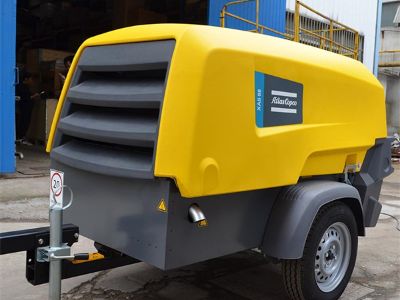
Atlas Copco compressors are important tools in many businesses. They help power machines and keep everything running smoothly. To make sure these atlas copco air compressor work well, we need to track how they perform. This is where performance metrics come in. These metrics help us understand how well the compressors are doing their job. At Alsman, we believe it’s important to focus on the right performance metrics to ensure our Atlas Copco systems are always at their best.
How to Measure the Efficiency of Atlas Copco Compressor Systems for Optimal Performance?
Measuring how well an Atlas Copco compressor works is important for any company that relies on it. One way to check efficiency is by looking at energy consumption. If a compressor uses too much energy, it might not be running well. For example, if a compressor is set to a certain pressure but uses more electricity than expected, this could mean it needs maintenance. Another way to measure efficiency is by checking the air output. When a compressor produces the right amount of air for the job, it's doing its job well. If it’s not producing enough air, that could slow down work. You can check these numbers by reading the compressor's display or using software tools that track performance. Additionally, keeping an eye on the temperature of the compressor is crucial. If it gets too hot, it may indicate a problem that needs fixing. Regular checks can help spot these issues early. Lastly, you should also consider how often the compressor requires repairs. If it breaks down frequently, this is a sign that it is not working efficiently. By paying attention to these factors, businesses can ensure their atlas copco air compressors are performing at their best. At Alsman, we recommend staying on top of these checks to avoid bigger problems down the line.
What Are the Key Performance Indicators for Atlas Copco Compressors That Matter Most?
When it comes to Atlas Copco compressors, there are a few key performance indicators, or KPIs, that really matter. First, let’s talk about air quality. The air produced by the compressor must be clean and dry. If the air is not up to standard, it can cause issues for machines and products downstream. Another important KPI is the compressor's runtime. This tells us how long the compressor is operating without stopping. A high runtime is good, but if it runs too long without breaks, it could lead to overheating or wear and tear. Maintenance intervals are also vital. Knowing how often the atlas copco compressor needs maintenance can help keep it running smoothly. If maintenance is ignored, it can lead to bigger problems and costly repairs. Lastly, monitoring the compressor’s pressure levels is crucial. If the pressure is too high or too low, it can affect how well the compressor is working. Keeping all these KPIs in check helps companies ensure their Atlas Copco compressors are doing their job effectively. At Alsman, we suggest tracking these indicators closely to catch any problems early and keep things running smoothly.
How to Evaluate Atlas Copco Compressor Performance Metrics for Bulk Purchases?
When buying many compressors from Atlas Copco, it’s important to know how to check their performance. First, look at how much air the compressor can make. This is called airflow. The more air it can produce, the better it is for big jobs. Next, think about how much energy the compressor uses. You want a machine that gives a lot of power without using too much electricity. This is important because high energy costs can make your business spend more money. Then, check how loud the compressor is. If it is too noisy, it might not be good for places where people work or live nearby. After that, consider how easy it is to maintain the compressor. A machine that is easy to fix will save you time and money in the long run. Lastly, think about the warranty or guarantee that comes with the compressor. A good warranty shows that the company believes in its product. By focusing on these important points, Alsman can help you pick the best compressors that will work well for your needs and save you money.
What Common Usage Issues Impact the Performance of Atlas Copco Compressor Systems?
Even the best compressors can have problems if they are not used correctly. One common issue is not cleaning the air filters. Dust and dirt can block the air from flowing, making the compressor work harder. This can waste energy and cause the machine to break down. Another problem can come from using the wrong size of tubing or hoses. If the tubes are too small, it can limit the airflow, making the compressor less efficient. You should also pay attention to the temperature. If the compressor gets too hot, it can stop working. Make sure there is enough space around the machine for air to circulate and keep it cool. Additionally, using the compressor for tasks it is not designed for can cause trouble. For example, if you use it to blow up tires but it is meant for powering tools, it might not work well. Finally, regular maintenance is essential. If you forget to check and change the oil or lubricants, the machine can wear out quickly. By avoiding these common issues, you can help your Atlas Copco compressors run smoothly and last longer. Alsman can assist you with tips on proper usage to avoid these problems.
What Performance Metrics Can Enhance Your Wholesale Buying Strategy for Compressors?
When buying compressors in bulk, certain performance metrics can help you make a smart choice. First, look at the compressor's efficiency rating. This tells you how well the compressor uses energy to produce air. A higher efficiency means lower energy costs, which is great for your budget. Next, check the duty cycle. This tells you how long the compressor can run before needing a break. A longer duty cycle means you can use it for more extended periods without stopping, which is essential for busy work environments. Another important metric is the mean time between failures (MTBF). This tells you how long the compressor usually works before it breaks down. A high MTBF means less downtime and more productivity. Also, consider the compressor’s recovery time. This is how quickly the machine can get back to work after it has been used heavily. A shorter recovery time means you can keep working without long breaks. Lastly, think about how easy it is to upgrade or add features to the compressor. This can help you adapt to new tasks as your needs change. By focusing on these metrics, Alsman can help you develop a strong buying strategy that ensures you get the best compressors for your money.
Table of Contents
- How to Measure the Efficiency of Atlas Copco Compressor Systems for Optimal Performance?
- What Are the Key Performance Indicators for Atlas Copco Compressors That Matter Most?
- How to Evaluate Atlas Copco Compressor Performance Metrics for Bulk Purchases?
- What Common Usage Issues Impact the Performance of Atlas Copco Compressor Systems?
- What Performance Metrics Can Enhance Your Wholesale Buying Strategy for Compressors?


